

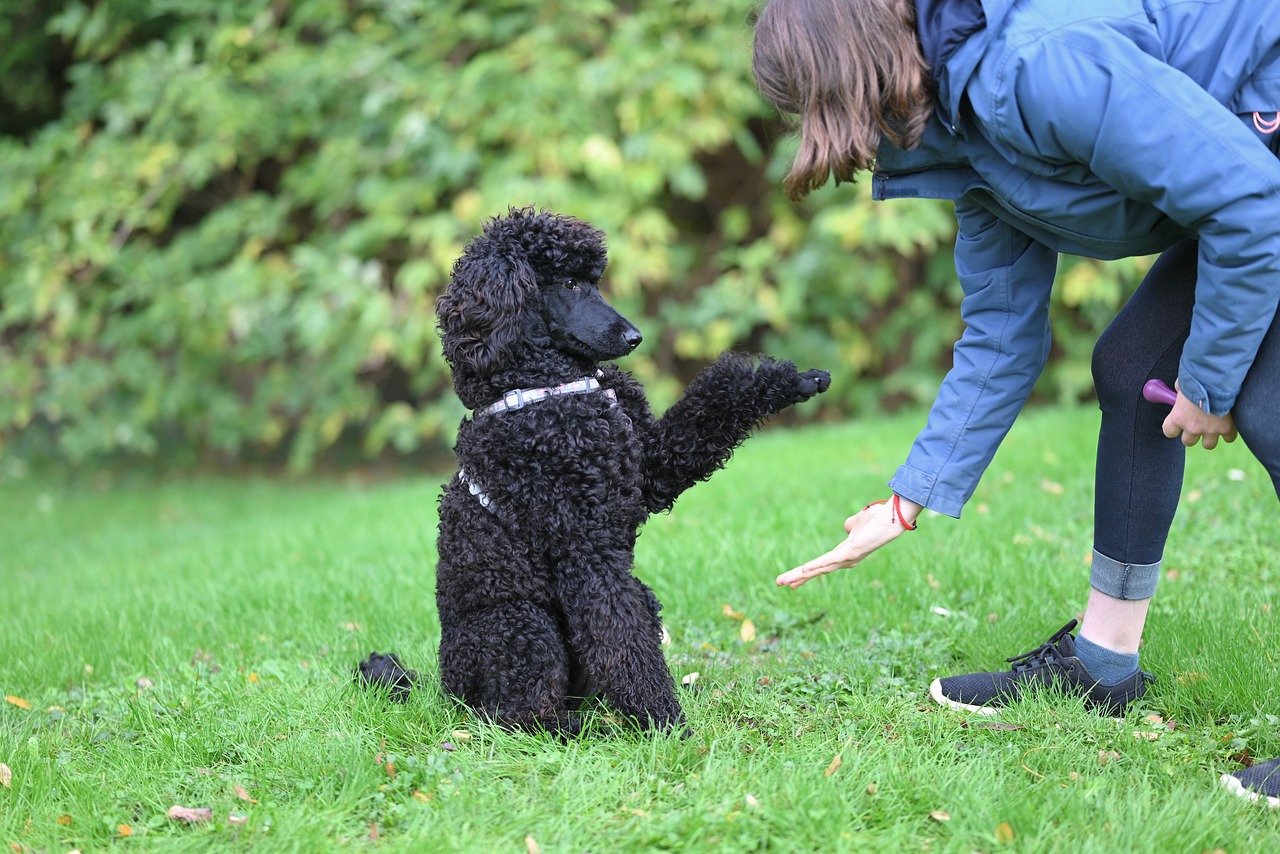
Bringing a new puppy home is a joyous occasion, filled with playful nips, wagging tails, and endless cuddles. However, along with the adorable moments come the inevitable challenges, and sleep training is often near the top of that list. Establishing healthy sleep habits early on is crucial for both your puppy’s well-being and your own sanity. This guide provides a comprehensive overview of puppy sleep training, equipping you with the knowledge and tools to navigate this important stage.
Understanding Puppy Sleep Needs
How Much Sleep Do Puppies Need?
Puppies require significantly more sleep than adult dogs. On average, they need 18-20 hours of sleep per day to support their rapid growth and development. This sleep is not continuous; it’s usually broken up into frequent naps throughout the day and a longer stretch at night. Consider that a human baby needs a lot of sleep in their early months, too. Your puppy is going through similar growing pains!
- Newborn puppies (0-4 weeks): Sleep almost constantly, waking only to eat.
- Young puppies (4-12 weeks): Sleep 18-20 hours a day, with more active periods.
- Older puppies (3-6 months): Sleep 16-18 hours a day, gradually decreasing.
- Beyond 6 months: Closer to adult sleep needs (12-14 hours a day).
Factors Affecting Puppy Sleep
Several factors can influence how well a puppy sleeps. Being aware of these can help you address any sleep-related issues effectively:
- Age: As puppies grow, their sleep needs naturally change.
- Breed: Some breeds are naturally more energetic and may need more activity to tire them out. For example, working breeds like Border Collies might need more mental and physical stimulation.
- Environment: A noisy or uncomfortable environment can disrupt sleep.
- Health: Underlying health issues can cause restlessness or discomfort, affecting sleep. Consult your veterinarian if you suspect a medical problem.
- Diet: An imbalanced diet or food sensitivities can also impact sleep.
- Exercise: Insufficient exercise can lead to pent-up energy and difficulty settling down.
Creating a Comfortable Sleep Environment
Choosing the Right Bed
Providing a comfortable and safe sleep space is crucial. Consider these factors when selecting a puppy bed:
- Size: The bed should be large enough for the puppy to stretch out comfortably but not so large that they feel insecure.
- Material: Choose a durable, washable material that is easy to clean. Puppies are prone to accidents! Fleece or plush materials are often preferred for their comfort.
- Location: Place the bed in a quiet, draft-free area, away from high-traffic zones. Initially, keeping the bed in your bedroom can provide comfort and security.
Establishing a Den-Like Space
Creating a den-like environment can mimic the security of a puppy’s original litter.
- Crate Training: A crate, when introduced properly, can become a safe haven for your puppy. Cover the crate with a blanket to make it darker and more secluded. Always make crate training positive with treats and toys.
- Darkness and Quiet: Dim the lights and minimize noise during sleep times. Consider using a white noise machine to mask distracting sounds.
- Comfort Items: Include a soft blanket, a favorite toy, or an item with your scent (like an old t-shirt) to provide comfort and security.
- Example: Put a ticking clock near the bed. The sound can mimic the mother’s heartbeat and provide a sense of security.
Establishing a Sleep Routine
Consistent Bedtime
Just like humans, puppies thrive on routine.
- Set a Regular Bedtime: Establish a consistent bedtime and wake-up time, even on weekends.
- Pre-Bedtime Routine: Create a calming pre-bedtime routine to signal that it’s time to sleep. This could include a gentle walk, a short play session, and a potty break.
- Avoid Excitement Before Bed: Refrain from engaging in overly stimulating activities right before bedtime.
- Example: Start the bedtime routine one hour before the desired bedtime. This provides ample time for the puppy to wind down.
Potty Breaks
Frequent potty breaks are crucial, especially during the initial stages of sleep training.
- Potty Before Bed: Always take your puppy outside for a potty break immediately before bedtime.
- Nighttime Potty Breaks: Expect to take your puppy out for potty breaks during the night, particularly for younger puppies. Gradually reduce the frequency as the puppy’s bladder control improves. Usually, younger puppies can only “hold it” for their age in months + 1 hours. So, a two month old puppy needs a potty break roughly every three hours.
- Consistency is Key: Take your puppy to the same designated potty spot each time.
- Minimize Interaction: Keep nighttime potty breaks brief and business-like. Avoid playing or talking excessively, as this can encourage the puppy to stay awake.
Addressing Nighttime Crying
Nighttime crying is common, especially during the first few nights.
- Ignore Minor Whining: If the crying is mild and intermittent, try to ignore it. Responding to every whimper can inadvertently reward the behavior.
- Check for Needs: Ensure the puppy has eliminated, has fresh water, and is comfortable.
- Provide Comfort: If the crying persists and you suspect anxiety, offer gentle reassurance. Speak in a calm, soothing voice and offer a gentle pat, but avoid picking up the puppy unless absolutely necessary.
- Rule Out Medical Issues: If the crying is excessive or accompanied by other symptoms, consult your veterinarian to rule out any underlying medical conditions.
- Example: If you need to take the puppy out for a potty break, do so without turning on bright lights or engaging in playtime. Simply take them outside, allow them to eliminate, and then return them to their bed.
Dealing with Sleep Disruptions
Separation Anxiety
Separation anxiety can manifest as difficulty settling down or excessive crying when left alone.
- Gradual Acclimation: Gradually acclimate the puppy to being alone by starting with short periods of separation and gradually increasing the duration.
- Safe Space: Ensure the puppy has a comfortable and safe space, such as a crate or designated bed, where they feel secure.
- Positive Reinforcement: Use positive reinforcement, such as treats and praise, to reward calm behavior when left alone.
- Consult a Professional: If separation anxiety is severe, consider consulting a professional dog trainer or behaviorist.
- Example: Start by leaving the puppy alone in the room for a few minutes, gradually increasing the time to 15 minutes, 30 minutes, and so on. Always return calmly and reward the puppy for remaining quiet and relaxed.
Loud Noises and Disturbances
Loud noises, such as thunderstorms or fireworks, can startle puppies and disrupt their sleep.
- Create a Safe Haven: Provide a safe haven, such as a crate or den, where the puppy can retreat during noisy events.
- Masking Sounds: Use a white noise machine or calming music to mask the disturbing sounds.
- Provide Comfort: Offer gentle reassurance and comfort, but avoid overreacting, as this can reinforce the puppy’s fear.
- Desensitization: Gradually desensitize the puppy to the sounds by playing recordings of the noises at a low volume and gradually increasing the volume over time. This should be done in a controlled and positive environment.
Overstimulation
Overtired puppies can have a hard time settling down to sleep.
- Recognize Tired Signs: Learn to recognize the signs of tiredness in your puppy, such as yawning, decreased activity, and glazed-over eyes.
- Encourage Rest: When you notice these signs, encourage the puppy to rest in their bed or crate.
- Avoid Overtiring: Avoid overly stimulating activities, especially close to bedtime.
- Example: If your puppy is exhibiting signs of tiredness, gently lead them to their bed and offer a chew toy to help them relax.
Maintaining Good Sleep Hygiene
Daytime Exercise
Regular daytime exercise is essential for promoting healthy sleep patterns.
- Age-Appropriate Exercise: Provide age-appropriate exercise, such as walks, playtime, and training sessions.
- Mental Stimulation: Provide mental stimulation through puzzle toys, training games, and interactive activities.
- Avoid Over-Exercise: Avoid over-exercising puppies, as this can lead to exhaustion and injury.
- Example: A 10-week old puppy might benefit from 15-20 minutes of structured playtime two or three times per day, interspersed with shorter walks and training sessions.
Proper Nutrition
A balanced diet plays a crucial role in promoting healthy sleep.
- High-Quality Food: Feed your puppy a high-quality puppy food that meets their nutritional needs.
- Regular Feeding Schedule: Establish a regular feeding schedule and avoid feeding your puppy right before bedtime.
- Avoid Table Scraps: Avoid feeding your puppy table scraps, as these can disrupt their digestion and sleep.
- Example: Feeding your puppy a protein-rich meal several hours before bedtime can promote satiety and prevent nighttime hunger.
Consistency and Patience
Consistency and patience are key to successful puppy sleep training.
- Stick to the Routine: Stick to the established routine as consistently as possible.
- Be Patient: Be patient and understanding, as it may take time for the puppy to adjust.
- Celebrate Successes: Celebrate small successes along the way to reinforce positive behavior.
- Avoid Punishment: Avoid punishment, as this can damage the bond with your puppy and create anxiety.
- Example: If your puppy has a successful night with no accidents or crying, reward them with praise and a small treat in the morning.
Conclusion
Puppy sleep training requires dedication, consistency, and a whole lot of patience. By understanding your puppy’s sleep needs, creating a comfortable sleep environment, establishing a consistent routine, and addressing sleep disruptions effectively, you can help your puppy develop healthy sleep habits that will benefit both of you for years to come. Remember to consult your veterinarian or a professional dog trainer if you encounter any persistent issues or have concerns about your puppy’s sleep patterns. A well-rested puppy is a happy puppy, and a happy puppy makes for a happy owner!