

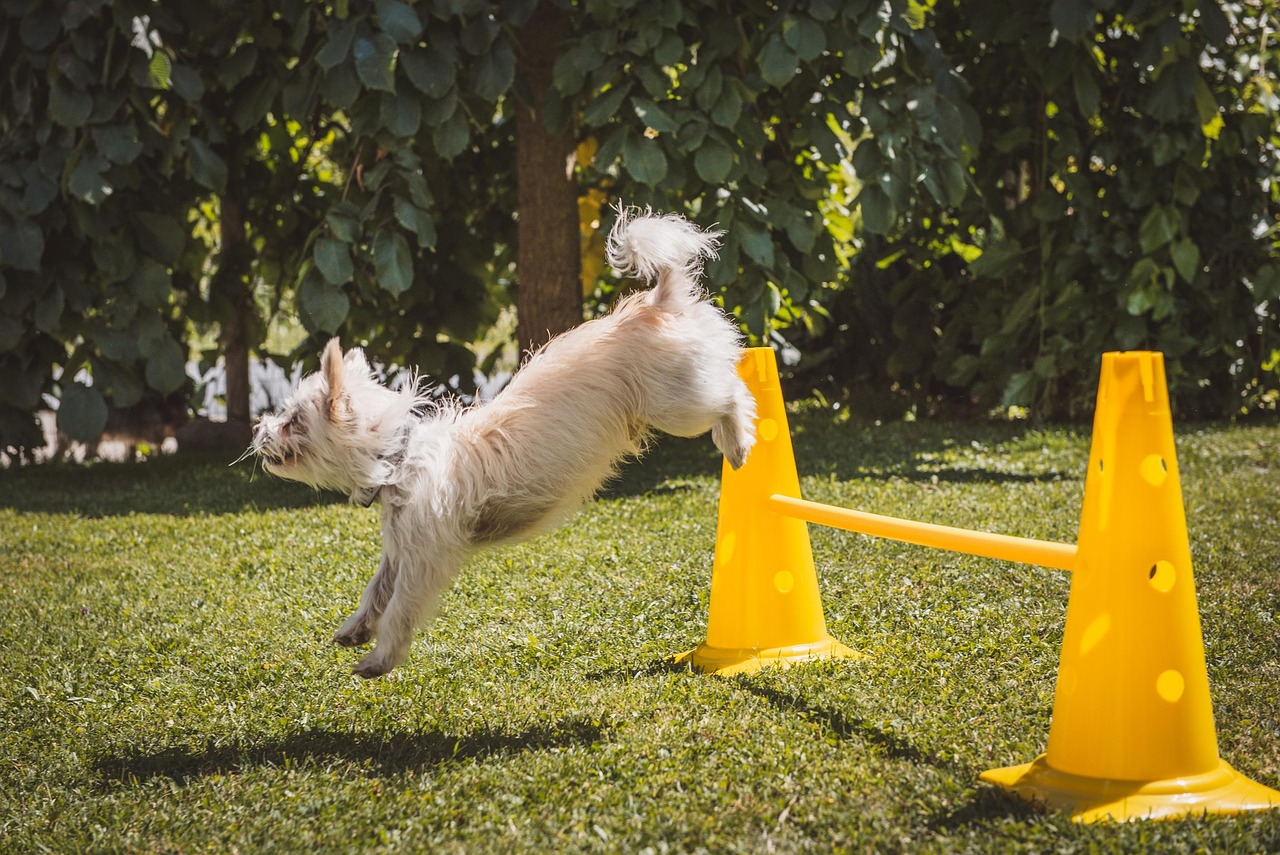
Is your furry friend a whirlwind of unbridled energy, prone to jumping, barking, and grabbing everything in sight? Impulse control is a crucial skill for dogs to learn, not only for your sanity but also for their safety and well-being. A well-trained dog is a happier, more confident dog, and mastering impulse control is the key to unlocking that potential. This comprehensive guide will walk you through the process of training your dog to curb impulsive behaviors, leading to a calmer, more obedient companion.
Understanding Dog Impulse Control
What is Impulse Control?
Impulse control is the ability to resist immediate gratification and delay acting on a strong urge or impulse. For dogs, this translates to resisting the urge to chase squirrels, snatch food, or jump on guests. It’s about teaching them to think before they act.
Why is Impulse Control Training Important?
- Safety: Prevents dogs from running into traffic, eating dangerous objects, or reacting aggressively to other dogs or people.
- Better Manners: Reduces jumping, barking, and other undesirable behaviors, making your dog a more pleasant companion.
- Increased Focus: Helps dogs concentrate during training sessions and other activities.
- Stronger Bond: Builds trust and respect between you and your dog, leading to a more fulfilling relationship.
- Reduced Anxiety: Impulse control training can help anxious dogs feel more secure and in control of their environment. Studies have shown that structured training can significantly reduce anxiety-related behaviors in dogs.
Common Impulse Control Challenges
- Jumping: Greeting people with enthusiastic leaps.
- Barking: Excessive vocalization at triggers like passersby or doorbells.
- Pulling on the Leash: Straining forward during walks.
- Food Reactivity: Snatching food or guarding their bowl.
- Chasing: Running after squirrels, cats, or cars.
Essential Training Techniques
The “Leave It” Command
This command teaches your dog to ignore something they find interesting.
- Step 1: Hold a treat in your closed fist. Let your dog sniff and paw at it.
- Step 2: Say “Leave it!” firmly.
- Step 3: When your dog stops trying to get the treat (even briefly), reward them with a treat from your other hand.
- Step 4: Gradually increase the difficulty by placing the treat on the floor, covered by your hand, and eventually uncovered.
- Example: Use “Leave it” when your dog is about to pick up something dangerous on the street.
The “Wait” Command
“Wait” teaches your dog to stay in place until released.
- Step 1: Have your dog sit or stay.
- Step 2: Say “Wait” and hold your hand up.
- Step 3: Start with short durations (a few seconds) and gradually increase the time.
- Step 4: Release your dog with a verbal cue like “Okay!”
- Example: Use “Wait” before opening the door or feeding your dog.
The “Stay” Command
“Stay” requires your dog to remain in a specific position (sit, down, or stand) until released.
- Step 1: Have your dog sit.
- Step 2: Say “Stay” clearly and hold your hand up.
- Step 3: Take a small step back. If your dog stays, return and reward.
- Step 4: Gradually increase the distance and duration of the “Stay.”
- Example: Use “Stay” when you need your dog to remain calm while you are occupied.
Impulse Control Games
Games are a fun way to practice impulse control.
- “It’s Yer Choice”: Place a treat on your dog’s nose. If they don’t touch it, give them another treat. If they try to eat it, cover it up and start again.
- Red Light, Green Light: On walks, randomly say “Red Light” and have your dog stop. Say “Green Light” to resume walking.
- “Find It”: Hide treats around the house and have your dog wait until you say “Find It!” to search.
Training Tools and Resources
Leashes and Collars
- Standard Leash (4-6 feet): Suitable for general training and walks.
- Head Halter: Can help control pulling and redirect attention.
- Harness: Provides more comfort and control, especially for dogs prone to pulling.
Treats and Rewards
- High-Value Treats: Use small, tasty treats that your dog loves.
- Verbal Praise: Combine treats with positive reinforcement like “Good boy/girl!”
- Toys: Some dogs are more motivated by toys than treats.
Online Resources
- American Kennel Club (AKC): Offers training tips and resources.
- Certified Professional Dog Trainers (CPDT-KA): Find qualified trainers in your area.
- YouTube Channels: Many trainers offer free tutorials and advice.
Professional Help
Consider consulting a certified dog trainer or behaviorist if you’re struggling with specific impulse control issues or if your dog has aggression or anxiety problems.
Maintaining Impulse Control
Consistency is Key
- Practice impulse control exercises daily, even for short periods.
- Use consistent commands and rewards.
- Enforce the rules consistently in all environments.
Generalization
- Practice impulse control exercises in different locations and situations.
- Introduce distractions gradually.
- Expose your dog to a variety of stimuli to help them generalize their training.
Positive Reinforcement
- Focus on rewarding desired behaviors rather than punishing unwanted ones.
- Avoid using harsh corrections or punishment, as this can damage your relationship with your dog.
- Remember that training should be a positive experience for both you and your dog.
Addressing Setbacks
- If your dog struggles with a particular exercise, break it down into smaller steps.
- Be patient and understanding. Impulse control takes time and practice.
- Don’t get discouraged by setbacks. Celebrate small victories and keep moving forward.
Conclusion
Impulse control training is an investment in your dog’s well-being and your relationship with them. By using the techniques and strategies outlined in this guide, you can help your dog develop the self-control they need to be a happy, well-adjusted companion. Remember to be patient, consistent, and positive, and celebrate every step of progress along the way. With dedication and perseverance, you can transform your impulsive pup into a calm and obedient member of the family.