

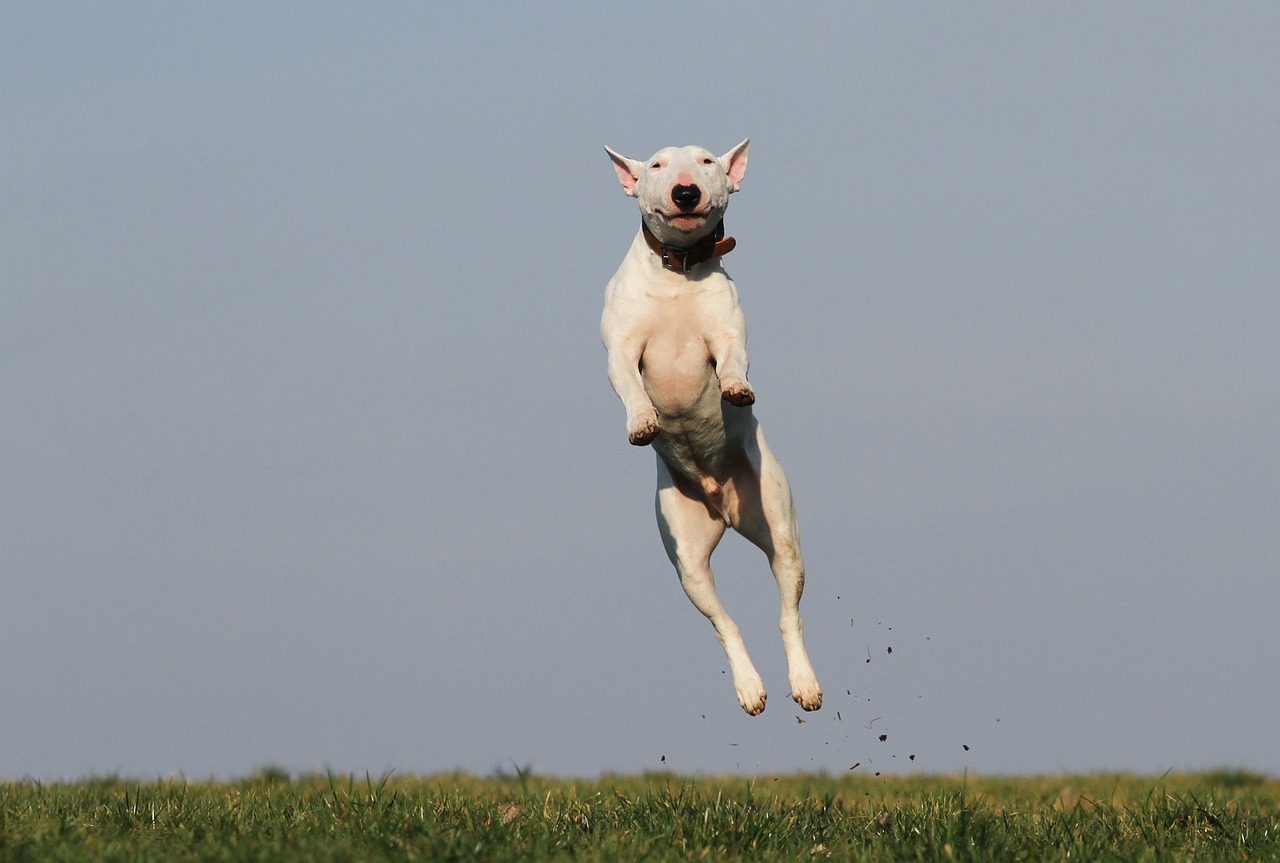
Dog training doesn’t have to be a chore! In fact, turning training into a game is one of the most effective ways to bond with your canine companion while teaching them essential commands and behaviors. Games make learning fun and engaging for both you and your dog, boosting their motivation and strengthening your relationship. This guide will explore a variety of dog training games, offering practical tips and examples to help you transform your training sessions into exciting playtime.
Why Play Training Games with Your Dog?
Engagement and Motivation
Traditional training methods can sometimes feel repetitive and boring, leading to disinterest from your dog. Games, on the other hand, naturally capture their attention.
- Increased Focus: Games require dogs to pay attention to you, improving their focus during training.
- Higher Motivation: The promise of a reward (treat, toy, or praise) keeps them motivated to participate.
- Stronger Bond: Playing games together strengthens the bond between you and your dog, building trust and understanding.
Studies show that dogs are more responsive and learn faster when training is presented as a positive and enjoyable experience. This positive reinforcement approach, central to most training games, avoids punishment or coercion, creating a healthier relationship.
Mental Stimulation
Just like humans, dogs need mental stimulation to stay happy and healthy. Games provide a fantastic outlet for their natural instincts and energy.
- Prevents Boredom: Games prevent boredom, which can lead to destructive behaviors.
- Develops Problem-Solving Skills: Many games require dogs to think and problem-solve, enhancing their cognitive abilities.
- Reduces Anxiety: Mental stimulation can help reduce anxiety and stress in dogs.
Think of it as a mental workout! A tired dog is often a well-behaved dog, and mental exhaustion can be just as effective as physical exercise.
Reinforcing Commands
Training games are an excellent way to reinforce commands they already know, making them more reliable in real-life situations.
- Command Practice: Integrate commands like “sit,” “stay,” “come,” and “down” into game scenarios.
- Improved Recall: Games that involve calling your dog back to you enhance their recall skills.
- Distraction Training: Gradually introduce distractions during games to teach your dog to focus on you even in stimulating environments.
For example, play hide-and-seek, calling your dog to “come” to find you. Reward them enthusiastically when they succeed.
Fun and Effective Dog Training Games
Hide-and-Seek
Hide-and-seek is a classic game that’s both fun and beneficial for reinforcing recall and encouraging independence.
- How to Play: Start by having someone hold your dog while you hide in a nearby room. Call your dog’s name enthusiastically and reward them with praise and a treat when they find you.
- Progression: Gradually increase the difficulty by hiding in more challenging locations and adding distractions.
- Benefits: Reinforces recall, encourages independent thinking, and provides mental stimulation.
Tip: Make sure your hiding spot is safe and accessible to your dog. Avoid areas with potential hazards.
Find the Treat
This game is perfect for honing your dog’s scent skills and problem-solving abilities.
- How to Play: Start by showing your dog a treat and letting them sniff it. Then, hide the treat in an easy-to-find location while they watch. Encourage them to “find it.” As they improve, hide the treats in more challenging spots.
- Progression: Use multiple treats and hide them in different rooms, making it a multi-stage search.
- Benefits: Develops scent detection skills, provides mental stimulation, and encourages problem-solving.
You can also use puzzle toys to make it even more engaging. These toys require your dog to manipulate them to get to the treat inside.
Red Light, Green Light
This game is great for teaching impulse control and reinforcing commands like “stay” and “come.”
- How to Play: Start by having your dog sit or stay. Give the command “green light” and allow them to come to you. Then say “red light” and have them stop immediately. Reward them for following the commands correctly.
- Progression: Increase the distance between you and your dog and add distractions.
- Benefits: Improves impulse control, reinforces commands, and teaches focus.
The key is to be consistent with your commands and use positive reinforcement. If your dog breaks the “red light,” simply start over.
The Name Game
Teaching your dog to recognize the names of their toys (or people in the household) can be a fun and enriching activity.
- How to Play: Start by introducing one toy and saying its name repeatedly while showing it to your dog. When your dog shows interest in the toy, reward them with praise and a treat. Gradually introduce more toys and their names.
- Progression: Ask your dog to “fetch [toy name]” and reward them when they bring you the correct toy.
- Benefits: Improves vocabulary comprehension, provides mental stimulation, and strengthens the bond between you and your dog.
Tip: Use high-value treats or favorite toys to make the game more engaging.
Tips for Successful Training Games
Keep it Positive
Positive reinforcement is key to successful training games. Focus on rewarding desired behaviors and avoid punishment or harsh corrections.
- Use high-value treats: Choose treats that your dog finds irresistible.
- Offer praise and encouragement: Verbal praise and petting can be just as rewarding as treats.
- End on a positive note: Always finish the game with a success so your dog feels good about their performance.
Keep it Short
Dogs have short attention spans, so keep training sessions brief and focused. Aim for 5-10 minute sessions several times a day.
- Multiple short sessions: Frequent, short sessions are more effective than one long session.
- Observe your dog’s body language: If your dog is losing interest or becoming frustrated, end the session.
- Vary the games: Keep things interesting by rotating between different games.
Be Consistent
Consistency is crucial for effective training. Use the same commands and cues every time you play a game.
- Use clear and concise commands: Avoid using overly complicated or confusing language.
- Enlist the help of other family members: Ensure everyone in the household uses the same commands and techniques.
- Practice regularly: Consistent practice will help your dog retain what they’ve learned.
Be Patient
Every dog learns at their own pace. Be patient and understanding, and celebrate small victories along the way.
- Don’t get discouraged: It’s normal for dogs to make mistakes. Just keep practicing and be patient.
- Focus on progress, not perfection: Celebrate your dog’s progress, no matter how small.
- Enjoy the process: Training games should be fun for both you and your dog.
Conclusion
Dog training games offer a fantastic way to bond with your furry friend, reinforce essential commands, and provide mental stimulation. By incorporating these games into your routine, you can transform training sessions into enjoyable playtime. Remember to keep it positive, short, consistent, and patient. With a little creativity and enthusiasm, you and your dog can have a blast while building a stronger, more rewarding relationship. So, grab some treats, gather your toys, and start playing!