

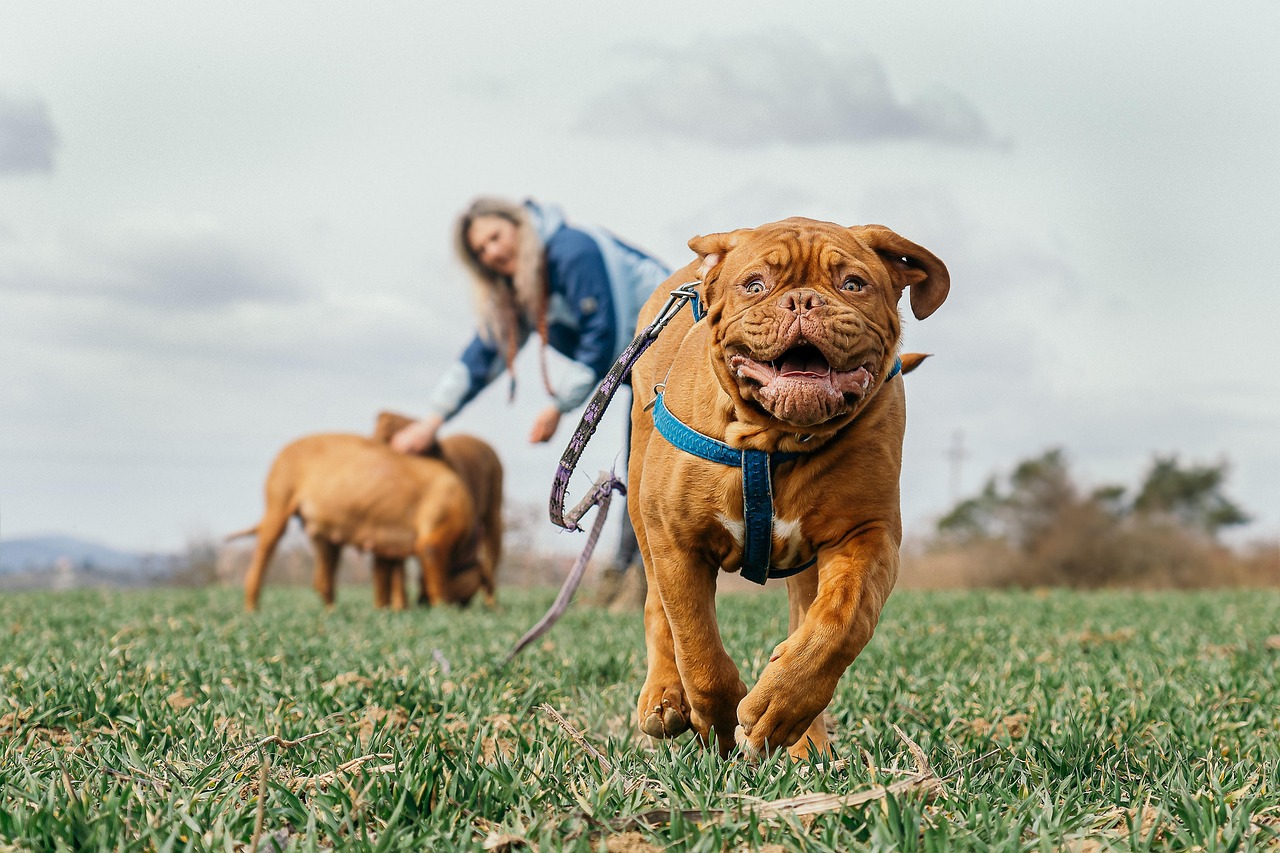
Puppy crate training is a cornerstone of responsible dog ownership, offering a safe haven for your furry friend while fostering housetraining success and preventing destructive behaviors. Establishing a consistent and positive crate training schedule is essential for a happy, well-adjusted puppy. This guide provides a comprehensive roadmap to successfully crate train your puppy, ensuring a comfortable and secure environment for them.
Setting the Stage: Preparing for Crate Training
Before diving into the schedule, preparation is key. A well-prepared environment will ease your puppy’s transition into their crate.
Choosing the Right Crate
- Size Matters: The crate should be large enough for your puppy to stand up, turn around, and lie down comfortably – but no larger! Excess space can encourage them to eliminate inside. Consider a crate with a divider that can be adjusted as your puppy grows.
- Material: Options include wire crates, plastic kennels, and soft-sided crates. Wire crates offer good ventilation, while plastic kennels provide more privacy. Soft-sided crates are ideal for travel.
- Location: Place the crate in a high-traffic area of your home, such as the living room or bedroom. This allows your puppy to feel included and reduces feelings of isolation.
Making the Crate Comfortable
- Bedding: Line the crate with soft bedding like a comfortable dog bed, blankets, or even an old t-shirt that smells like you.
- Toys: Introduce a few safe and engaging toys inside the crate. Puzzle toys filled with treats are especially effective for keeping your puppy occupied and associating the crate with positive experiences.
- Water: Ensure fresh water is always available, especially during longer crate sessions. Consider a clip-on water bowl to prevent spills.
Introducing the Crate: Days 1-3
The initial days are crucial for creating a positive association with the crate. Take it slow and prioritize positive reinforcement.
Positive Introduction
- Leave the door open: Allow your puppy to explore the crate at their own pace. Never force them inside.
- Treat Toss: Toss treats, toys, or kibble inside the crate to encourage them to enter voluntarily.
- Verbal Encouragement: Use a cheerful and encouraging tone of voice when your puppy approaches or enters the crate.
Short Crate Sessions
- Mealtime in the Crate: Feed your puppy their meals inside the crate with the door open. This creates a positive association with food.
- Brief Closures: Once your puppy is comfortable eating in the crate, start closing the door for a few seconds while they eat. Gradually increase the duration as they become more comfortable.
- Example Schedule (Days 1-3):
- Throughout the day: Place treats inside the crate.
- Mealtime: Feed meals inside the crate (door open initially, then closed briefly).
- Playtime: Toss toys inside the crate during play sessions.
- Before bedtime: Place your puppy in the crate with a favorite toy for 5-10 minutes.
Building Duration: Days 4-7
Gradually increase the amount of time your puppy spends in the crate. Consistency and patience are key during this phase.
Incremental Increases
- Gradual Extension: Slowly increase the duration of crate sessions by a few minutes each day. Never rush the process.
- Observe Your Puppy: Pay attention to your puppy’s body language. If they start showing signs of anxiety (whining, barking, scratching), reduce the duration and try again later.
Scheduled Crate Time
- Naptime: Encourage your puppy to nap in the crate. This helps them associate the crate with rest and relaxation.
- Quiet Time: Use the crate as a safe space when you need some quiet time or cannot supervise your puppy directly.
- Example Schedule (Days 4-7):
- Morning: Short crate session (10-15 minutes) with a chew toy.
- Midday: Naptime in the crate (30-60 minutes).
- Afternoon: Play session with toys tossed inside the crate.
- Evening: Mealtime in the crate (door closed for the duration).
- Bedtime: Overnight crate session (ensure a potty break right before).
Establishing a Routine: Weeks 2-8
By week two, your puppy should be more comfortable in their crate. Focus on reinforcing the routine and gradually increasing independence.
Extended Crate Time
- Working Up to Longer Durations: Gradually increase crate time to accommodate your schedule. A general guideline is that puppies can usually hold their bladder for the number of hours equal to their age in months, plus one (e.g., a 3-month-old puppy can generally hold it for 4 hours). Never exceed this limit.
- Potty Breaks are Crucial: Regular potty breaks are essential, especially for younger puppies. Take your puppy out immediately after they wake up from a nap or come out of the crate.
Reinforcing Positive Behavior
- Rewards and Praise: Continue to reward your puppy for entering the crate calmly and quietly.
- Avoid Punishment: Never use the crate as punishment. This will create a negative association and undermine your training efforts.
- Ignoring Whining: If your puppy whines or barks in the crate, avoid giving them attention unless you know they need to go to the bathroom. Wait for a moment of silence before opening the crate.
- Example Schedule (Weeks 2-8):
- Morning: Potty break, breakfast in the crate (door closed), crate time (1-2 hours).
- Midday: Potty break, crate time (2-3 hours) with a chew toy.
- Afternoon: Playtime outside the crate, short crate session (30-60 minutes).
- Evening: Dinner in the crate (door closed), playtime outside the crate, potty break before bedtime, overnight crate session.
Troubleshooting Common Crate Training Issues
Even with a consistent schedule, you may encounter challenges. Here’s how to address some common issues:
Separation Anxiety
- Symptoms: Excessive barking, whining, scratching, or attempts to escape when left alone.
- Solutions:
Start with very short crate sessions and gradually increase the duration.
Provide a comfort item like a t-shirt that smells like you.
Consider consulting with a veterinarian or certified dog trainer for additional support.
Potty Accidents in the Crate
- Causes:
Puppy is too young to hold their bladder for the duration of the crate session.
Puppy was not taken out for a potty break before being placed in the crate.
Crate is too large, allowing the puppy to eliminate in one corner.
- Solutions:
Shorten crate sessions and increase the frequency of potty breaks.
Ensure the crate is the appropriate size.
Thoroughly clean the crate after each accident with an enzymatic cleaner to eliminate odors.
Refusal to Enter the Crate
- Causes:
Negative past experiences with the crate.
Lack of positive reinforcement.
Forcing the puppy into the crate.
- Solutions:
Go back to basics and reintroduce the crate slowly and positively.
Make the crate more appealing with comfortable bedding and engaging toys.
Never force your puppy into the crate.
Conclusion
Crate training your puppy requires patience, consistency, and a positive approach. By following a structured schedule, providing a comfortable environment, and addressing potential challenges proactively, you can create a safe and secure haven for your furry friend. Remember to tailor the schedule to your puppy’s individual needs and adjust it as they grow and develop. A well-trained puppy in a crate will not only benefit from feeling secure in their own den, but will provide the owner with a well-behaved, house-trained and overall happy companion.