

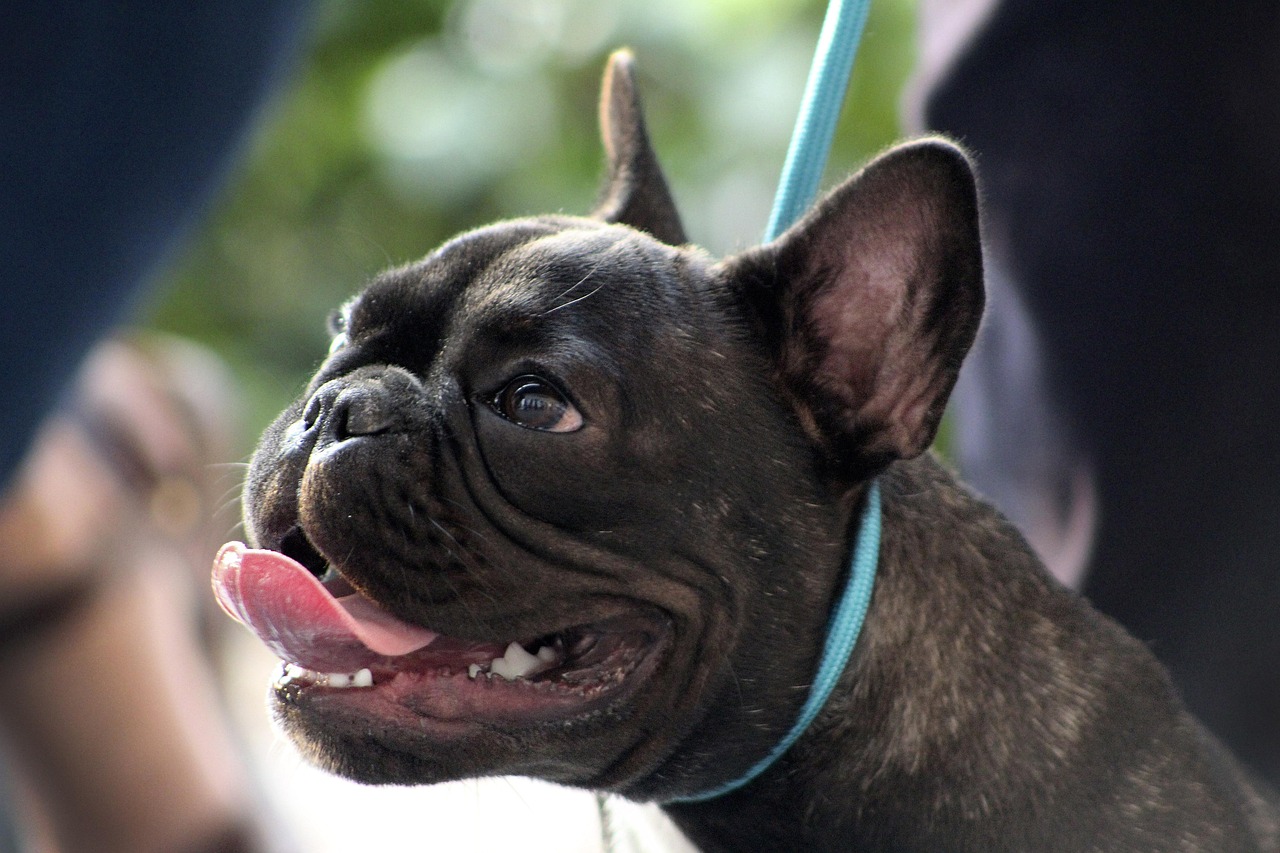
Training a single dog can be challenging, but managing the dynamics and individual needs of multiple dogs requires a strategic and patient approach. Whether you’re a multi-dog household veteran or a new adopter, understanding the nuances of training multiple dogs simultaneously can significantly improve your pets’ behavior, strengthen your bond, and create a harmonious home environment. This guide provides a comprehensive overview of the key principles and practical tips for successfully training multiple dogs.
The Importance of Individual Training
Understanding Individual Needs
Each dog is an individual with unique personalities, learning styles, and training needs. Recognizing and addressing these differences is crucial for effective multi-dog training. Some dogs might be highly food-motivated, while others respond better to praise or toys. Some might learn quickly, while others need more repetition.
- Assess Individual Temperaments: Observe how each dog interacts with you, other dogs, and new stimuli. Identify any anxiety, aggression, or fear-based behaviors.
- Identify Learning Styles: Determine which methods motivate each dog. Try different treats, toys, and praise to see which elicits the best response.
- Address Specific Challenges: If a dog has specific behavioral issues (e.g., excessive barking, separation anxiety), address those separately alongside group training.
For example, if you have a young, energetic Labrador and an older, calmer Golden Retriever, their training approaches will differ significantly. The Labrador might benefit from high-energy games and fast-paced training sessions, while the Golden Retriever might prefer shorter, more relaxed sessions with gentle praise.
One-on-One Training Sessions
Dedicated one-on-one training time allows you to focus on each dog’s individual needs without distractions or competition from other dogs. This is essential for building a strong foundation of obedience and addressing specific behavioral issues.
- Basic Obedience: Teach basic commands like sit, stay, come, down, and leave it to each dog separately.
- Problem Behavior Modification: Address any individual problem behaviors (e.g., leash pulling, jumping) in a controlled environment.
- Bonding: Use one-on-one time to strengthen your bond with each dog through play, grooming, and affection.
Example: Schedule 15-20 minutes each day for individual training sessions. Use a clicker and high-value treats to reward desired behaviors. Keep sessions short, positive, and engaging to maintain your dog’s attention.
Group Training Dynamics
Managing Competition
Competition for resources (food, attention, toys) can be a significant challenge in multi-dog households. It’s important to manage these dynamics to prevent conflicts and ensure each dog feels secure.
- Separate Feeding: Feed each dog in a separate area or crate to prevent food aggression.
- Controlled Attention: Distribute your attention evenly among your dogs. Avoid favoring one dog over the others, as this can create jealousy and competition.
- Equal Access to Resources: Ensure each dog has access to their own toys, beds, and water bowls. Rotate toys regularly to keep them interesting.
Example: When giving treats, call each dog’s name individually and reward them separately. This reinforces the idea that each dog receives individual attention and prevents them from competing for treats.
Simultaneous Training Exercises
Once each dog has a solid understanding of basic commands, you can begin incorporating them into group training sessions. This helps reinforce their obedience in the presence of other dogs and builds a sense of teamwork.
- Start with Simple Commands: Begin with commands like sit, stay, and come, where the dogs are stationary and less likely to compete.
- Increase Difficulty Gradually: As the dogs become more proficient, introduce more challenging exercises, such as heeling or recall with distractions.
- Use Positive Reinforcement: Continue to use positive reinforcement techniques (treats, praise, toys) to reward desired behaviors and maintain motivation.
Example: Have all dogs sit and stay while you walk a short distance away. Then, call each dog individually to come to you. Reward each dog with a treat and praise as they come.
Establishing Clear Leadership
Consistency is Key
Consistency is paramount when training multiple dogs. All members of the household should use the same commands, rules, and training methods. This prevents confusion and ensures that the dogs understand what is expected of them.
- Standardize Commands: Agree on a set of commands that everyone will use (e.g., “Sit,” “Stay,” “Down”).
- Enforce Rules Consistently: Ensure that all household members enforce the same rules (e.g., no jumping on furniture, no begging at the table).
- Communicate Effectively: Regularly discuss training progress and any challenges with all members of the household to maintain consistency.
Example: If one person allows the dogs to jump on the couch while others don’t, the dogs will become confused and inconsistent in their behavior. It’s important to have a unified approach.
Body Language and Voice
Your body language and tone of voice play a crucial role in communicating with your dogs. Use assertive but calm body language and a confident tone of voice to establish yourself as the leader.
- Maintain Eye Contact: Use eye contact to establish dominance and communicate your expectations.
- Use Clear and Concise Commands: Speak clearly and confidently when giving commands.
- Avoid Harsh Punishment: Focus on positive reinforcement and avoid using harsh punishment, which can create fear and anxiety.
Example: When giving a command, stand tall, make eye contact, and use a firm but calm voice. Reward the dog immediately when they comply with the command.
Addressing Common Challenges
Resource Guarding
Resource guarding is a common issue in multi-dog households, where a dog becomes possessive of food, toys, or space. It’s important to address this behavior early to prevent conflicts and injuries.
- Identify Triggers: Determine what triggers the resource guarding behavior (e.g., approaching the dog while they’re eating, taking away a toy).
- Desensitization and Counter-Conditioning: Gradually expose the dog to the trigger while associating it with something positive (e.g., giving the dog a high-value treat when you approach their food bowl).
- Separate Resources: Ensure each dog has their own resources and that they are not allowed to access each other’s belongings.
Example: If a dog guards their food bowl, start by approaching the bowl while they’re eating and tossing in a high-value treat. Gradually decrease the distance until you can stand next to the bowl without eliciting a reaction.
Sibling Rivalry
Sibling rivalry can occur even in dogs that are not related. It often involves competition for attention, toys, or space. Managing sibling rivalry requires careful observation and intervention.
- Identify Triggers: Determine what triggers the rivalry (e.g., competing for your attention, guarding toys).
- Separate Interaction Time: Provide each dog with individual attention and play time to reduce competition.
- Supervise Interactions: Closely supervise interactions between the dogs and intervene if you see signs of aggression or conflict.
Example: If the dogs compete for your attention, make sure to give each dog equal attention and affection. When playing with the dogs together, keep a close eye on their body language and intervene if you see signs of tension.
Enrichment and Exercise
Mental Stimulation
Providing adequate mental stimulation is crucial for preventing boredom and behavioral issues in multiple dogs. Interactive toys, puzzle feeders, and training games can help keep their minds engaged.
- Puzzle Toys: Use puzzle toys that require the dogs to solve a problem to access a treat.
- Training Games: Play training games like hide-and-seek or fetch to keep the dogs mentally stimulated.
- Rotate Toys: Rotate toys regularly to keep them interesting and prevent boredom.
Example: Fill a Kong toy with peanut butter and freeze it. This will keep the dogs occupied for hours as they try to lick out the peanut butter.
Physical Exercise
Regular physical exercise is essential for maintaining the physical and mental health of multiple dogs. Exercise helps burn off excess energy, reduce stress, and improve overall well-being.
- Daily Walks: Take the dogs for daily walks or runs to provide them with physical exercise and mental stimulation.
- Playtime: Engage in playtime with the dogs, such as fetch or tug-of-war, to burn off energy and strengthen your bond.
- Agility Training: Consider enrolling the dogs in agility training classes to provide them with a challenging and rewarding form of exercise.
Example: Take the dogs to a dog park where they can run and play with other dogs. This will provide them with valuable socialization opportunities and help burn off excess energy.
Conclusion
Training multiple dogs requires patience, consistency, and a deep understanding of canine behavior. By focusing on individual needs, managing group dynamics, establishing clear leadership, and addressing common challenges, you can create a harmonious and well-behaved multi-dog household. Remember that every dog is unique, and what works for one dog may not work for another. Be flexible, adaptable, and always prioritize positive reinforcement to achieve the best results. Enjoy the journey of training your pack!