

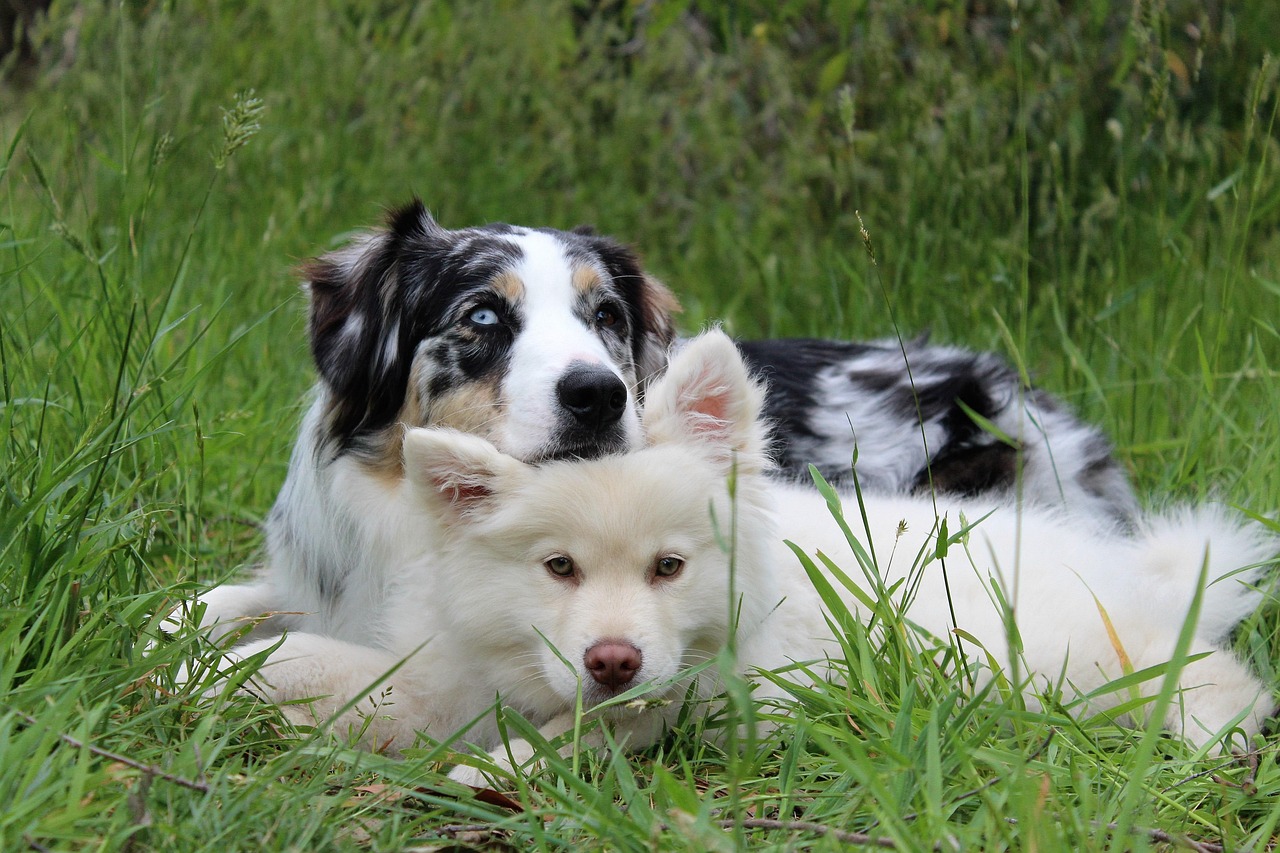
Bringing a new puppy home is an exciting experience filled with playful moments and unconditional love. However, a well-behaved dog doesn’t just happen; it requires consistent training and patience, especially during their early months. Training your puppy at home provides a comfortable and controlled environment where they can learn essential skills and build a strong bond with you. This comprehensive guide will walk you through everything you need to know to successfully train your puppy at home, turning them into a well-adjusted and happy member of your family.
Preparing Your Home for Puppy Training
Creating a Safe and Puppy-Proof Environment
Before your puppy arrives, it’s crucial to prepare your home to minimize accidents and ensure their safety.
- Remove Hazards: Store away cleaning supplies, medications, and other potentially harmful substances. Secure electrical cords and loose rugs.
- Designate a Puppy Zone: Choose a specific area for your puppy, such as a crate, pen, or a corner of a room. This will be their safe haven.
- Provide Chew Toys: Puppies explore the world with their mouths, so offer a variety of appropriate chew toys to prevent them from chewing on your belongings. Rotate the toys regularly to keep them interesting. A bored puppy is a destructive puppy!
- Secure Your Yard: If you have a yard, ensure it’s properly fenced to prevent escapes. Check for any potential hazards like poisonous plants.
Gathering Essential Training Supplies
Having the right tools can significantly improve your training efforts.
- High-Value Treats: These are small, tasty treats that your puppy loves. Use them as rewards for good behavior. Examples include small pieces of cooked chicken, cheese, or commercially available puppy treats.
- Clicker: A clicker is a small device that makes a distinct clicking sound. It’s used to mark the exact moment your puppy performs the desired behavior. (Clicker training is optional but highly effective.)
- Leash and Collar/Harness: Choose a lightweight puppy-sized leash and a comfortable collar or harness.
- Food and Water Bowls: Select bowls that are appropriate for your puppy’s size.
- Potty Training Supplies: Puppy pads, enzymatic cleaner (to remove odors and prevent repeat accidents), and poop bags are essential for potty training.
Basic Obedience Training
Sit, Stay, Come
These are foundational commands that every puppy should learn.
- Sit: Hold a treat in front of your puppy’s nose. Slowly move the treat upwards and slightly back over their head. As their nose follows the treat, they should naturally sit. Say “Sit” as their rear touches the ground, and reward them immediately with the treat and praise. Repeat this several times a day.
- Stay: Have your puppy sit. Hold your hand up in a “stop” gesture and say “Stay.” Start with very short durations (a second or two) and gradually increase the time. If your puppy stays, reward them. If they break the stay, gently guide them back to the sit position and try again.
- Come: Use a cheerful tone and say “Come!” As your puppy moves toward you, back away slightly to encourage them to come faster. Reward them enthusiastically when they reach you. Practice this in a safe, enclosed area.
Leash Training
Walking nicely on a leash is a crucial skill for any dog.
- Introduce the Leash and Collar/Harness: Let your puppy wear the leash and collar/harness around the house for short periods to get them used to it.
- Start in a Quiet Area: Begin leash training in a calm environment with minimal distractions.
- Reward Loose-Leash Walking: Hold the leash loosely and reward your puppy when they walk beside you without pulling. If they start to pull, stop walking and wait for them to return to your side before continuing.
- Use Positive Reinforcement: Reward good behavior with treats and praise. Avoid pulling or jerking on the leash.
Socialization
Exposing your puppy to different sights, sounds, people, and animals is essential for their development. According to the American Veterinary Medical Association (AVMA), proper socialization during the critical period (up to 16 weeks) can significantly reduce the risk of behavioral problems later in life.
- Controlled Exposure: Gradually introduce your puppy to new experiences in a controlled and positive manner.
- Positive Associations: Pair new experiences with positive reinforcement, such as treats and praise.
- Puppy Classes: Enrolling in puppy classes provides a structured environment for socialization and training.
- Safe Interactions: Ensure all interactions with other dogs and people are safe and positive. Avoid overwhelming your puppy.
Potty Training
Potty training requires patience and consistency.
Establishing a Routine
- Frequent Potty Breaks: Take your puppy outside frequently, especially after waking up, after meals, and after playtime.
- Designated Potty Spot: Choose a specific spot in your yard for your puppy to eliminate. The scent will encourage them to go there.
- Reward Success: When your puppy eliminates outside, praise them enthusiastically and give them a treat immediately.
Dealing with Accidents
- Clean Up Immediately: Clean up accidents immediately with an enzymatic cleaner to eliminate odors and prevent repeat offenses.
- Avoid Punishment: Never punish your puppy for accidents. This can create fear and anxiety, making potty training more difficult.
- Supervise Closely: Keep a close eye on your puppy, especially when they are indoors. Watch for signs that they need to go out, such as circling, sniffing, or squatting.
Addressing Common Puppy Problems
Nipping and Biting
Puppy nipping and biting are normal behaviors, but it’s important to teach them appropriate bite inhibition.
- Redirect with Toys: When your puppy starts to nip, redirect their attention to a chew toy.
- Withdraw Attention: If your puppy bites too hard, say “Ouch!” in a high-pitched voice and immediately withdraw your attention.
- Time-Out: If the biting continues, put your puppy in a time-out for a few minutes.
- Professional Help: If nipping and biting persist, consult a professional dog trainer or behaviorist.
Excessive Barking
Barking is a natural form of communication for dogs, but excessive barking can be problematic.
- Identify the Cause: Determine why your puppy is barking. Are they bored, anxious, or trying to get your attention?
- Address the Underlying Issue: If your puppy is barking due to boredom, provide more exercise and mental stimulation. If they are barking due to anxiety, consult a veterinarian or behaviorist.
- Teach the “Quiet” Command: When your puppy starts barking, say “Quiet!” If they stop barking, even briefly, reward them.
- Ignore Attention-Seeking Barking: If your puppy is barking for attention, ignore them until they stop.
Conclusion
Training a puppy at home is a rewarding experience that strengthens your bond and sets them up for a lifetime of good behavior. Consistency, patience, and positive reinforcement are the keys to success. Remember to celebrate your puppy’s progress and enjoy the journey of raising a well-behaved and happy companion. By following these guidelines and seeking professional help when needed, you can confidently train your puppy and create a harmonious home environment.